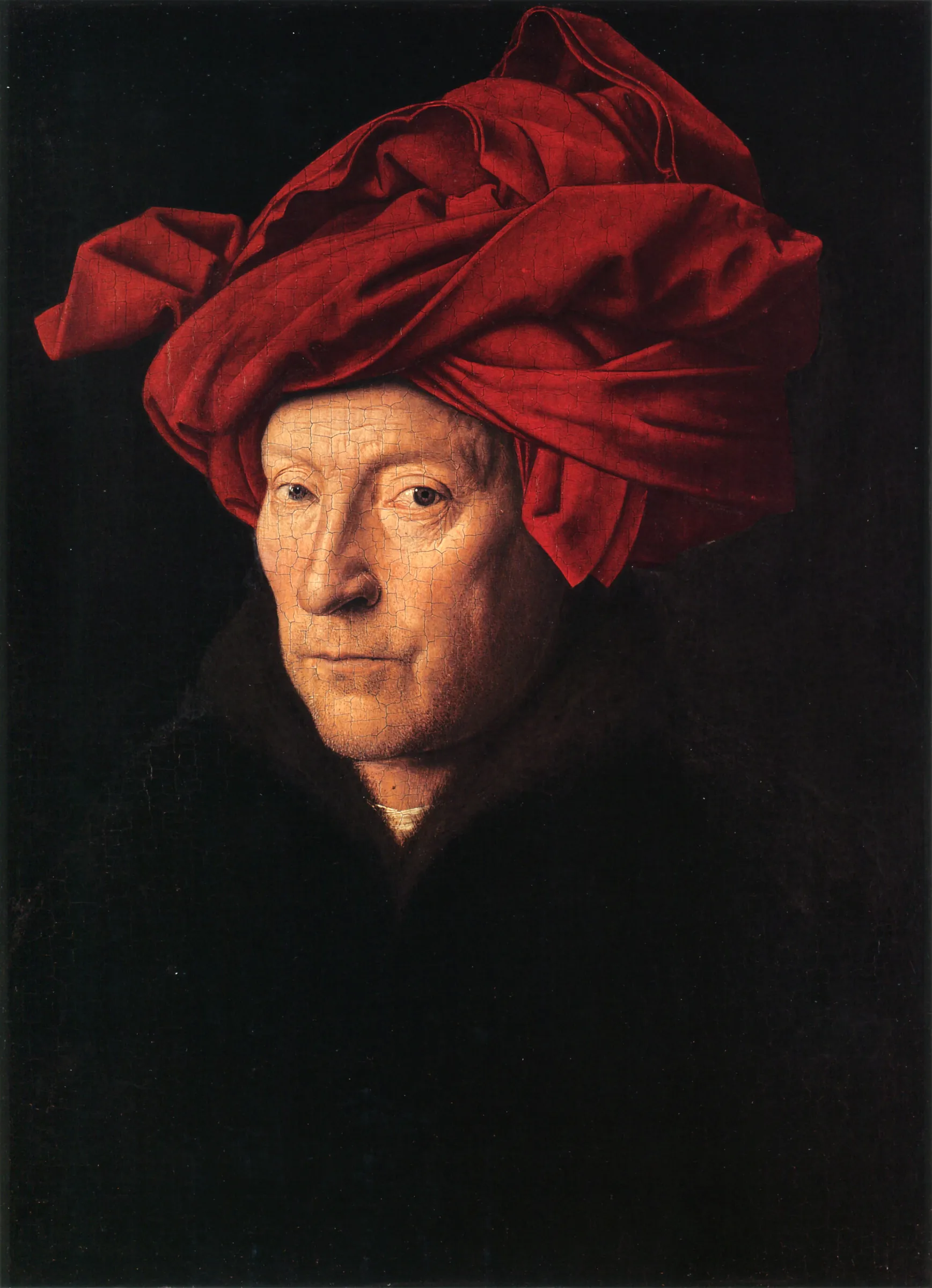
The most common names for eye types are almond, round, hooded, downturned, upturned, deep-set, and prominent, plus close-set and wide-set. They're everyday names used in makeup, fashion, and conversation, not measurement categories. Each one points to a different measurement: the eye opening, the eyelid, the tilt, where the eye sits in the socket, or the distance between the eyes.
That's why the same eye can carry two or three names at once. An eye can be almond and hooded, or round and wide-set.
The names and the measurement behind each
| Name | What you see | Measurement |
|---|---|---|
| Almond | Wider than tall, with tapering corners | Opening |
| Round | Height close to width, with plenty of iris showing | Opening |
| Hooded | A fold of skin covers the upper eyelid | Eyelid |
| Downturned | Outer corner lower than the inner corner | Tilt |
| Upturned | Outer corner higher, sometimes with a fold at the inner corner | Tilt and fold |
| Deep-set | The eye sits further back under the brow bone | Position in the socket |
| Prominent | The eye sits further forward, with more lid showing | Position in the socket |
| Close-set or wide-set | The space between the inner corners | Distance |
Almond and round
Both names describe the eye opening, meaning the height compared with the width of the space between the eyelids. In an almond eye, width dominates and the corners taper. In a round eye, height comes closer to width and more of the iris shows.
The opening varies with ancestry and age. In a study of 100 people over 50, half Brazilians of European descent and half Japanese, the opening was wider in the Japanese group and taller in the Brazilian group (Viveiros and colleagues, 2017). In 84 white Brazilian women measured in 3D, both the width and the height of the opening were smaller in the 41 to 65 group than in the 20 to 40 group (Mengoa and colleagues, 2024).
Hooded
This is the eye where a fold of skin drops from the brow area and covers part or all of the upper eyelid. It can be there from birth or come with age. It changes the space for makeup and how the eyes read, but it isn't a flaw.
Downturned and upturned
Both describe tilt. In a downturned eye, the outer corner sits below the inner one; in an upturned eye, it sits above. Upturned is also used for eyes with an epicanthic fold, a fold at the inner corner that's more common in some populations. The eye region varied the most between populations in a study of 1,470 adults from several groups (Farkas and colleagues, 2005). The step-by-step measurement is in canthal tilt.
Downturned eyes aren't the same as a droopy eyelid. With downturned eyes, the line between the corners slopes down. With a droopy eyelid, the edge of the upper lid covers more of the iris than it should. An eyelid that blocks your vision, dropped suddenly, or dropped on one side only needs a medical evaluation.
Deep-set and prominent
These describe where the eye sits relative to the surrounding bone. A deep-set eye sits further back and the area holds more shadow; a prominent eye sits further forward and shows more lid. Both appear in healthy faces. Eyes that have become more prominent over time, or one eye that sticks out more than the other, need a medical evaluation.
Close-set and wide-set
These describe the distance between the inner corners. The classic rule says that space equals the width of one eye, but most people don't follow the rule. The numbers are in eye shapes.
How to find yours
In a straight-on photo with the camera at eye level, a relaxed face, and no glasses, look at one thing at a time: the opening, the eyelid, the tilt, the position, and the distance. Write down a name for each. Your eye is the sum of the answers, not a single type.
What changes how the eyes read in your look: brows, in eyebrow shape for your face shape; frames, in glasses for your face shape; and camera distance, in why you look different in photos.
How Garbo describes the eyes
In the Complete Transformation, the eyes are one of the 12 features. Garbo measures the opening, the tilt of the corners, and how much of the upper eyelid shows, and compares them with the typical range for your group. It also describes the eyelid (exposed, moderate, or hooded), the distance between the eyes, and the epicanthic fold. The analysis describes the eyes; it does not diagnose any vision or eyelid problem.
Frequently asked questions
What are the types of eyes?
The most common names are almond, round, hooded, downturned, upturned, deep-set, prominent, close-set, and wide-set.
How do I know my eye type?
In a straight-on photo, look at the opening, the eyelid, the tilt, where the eye sits, and the distance between the eyes, one at a time.
What are hooded eyes?
Eyes where a fold of skin covers part or all of the upper eyelid. It can be there from birth or come with age.
Are downturned eyes the same as droopy eyelids?
No. With downturned eyes, the outer corner sits lower. With a droopy eyelid, the edge of the lid covers the iris, and that needs a medical evaluation.
Can I have more than one eye type?
Yes, and that's the most common case. The names describe different measurements, and every eye has all of them at once.
Want to see your eye measurements? Take the free analysis: you answer a few questions, take a photo from the front, and see the real measurements of your face.
Sources
- Viveiros MMH, Matai O, Takahagi RU, Padovani CR, Schellini SA (2017). Eyelid fissure dimensions in Japanese and in Brazilians of European descent over 50 years of age. Arquivos Brasileiros de Oftalmologia.
- Mengoa MGR, et al. (2024). Facial morphology analysis of Caucasian Brazilian adult women using stereophotogrammetry. Brazilian Oral Research.
- Farkas LG e colegas (2005). International anthropometric study of facial morphology in various ethnic groups/races. Journal of Craniofacial Surgery.

Now see what suits your face
Take the quiz and send a front-facing photo: the free analysis measures your face, shows its shape, and suggests haircuts and colours.
Start the free analysis