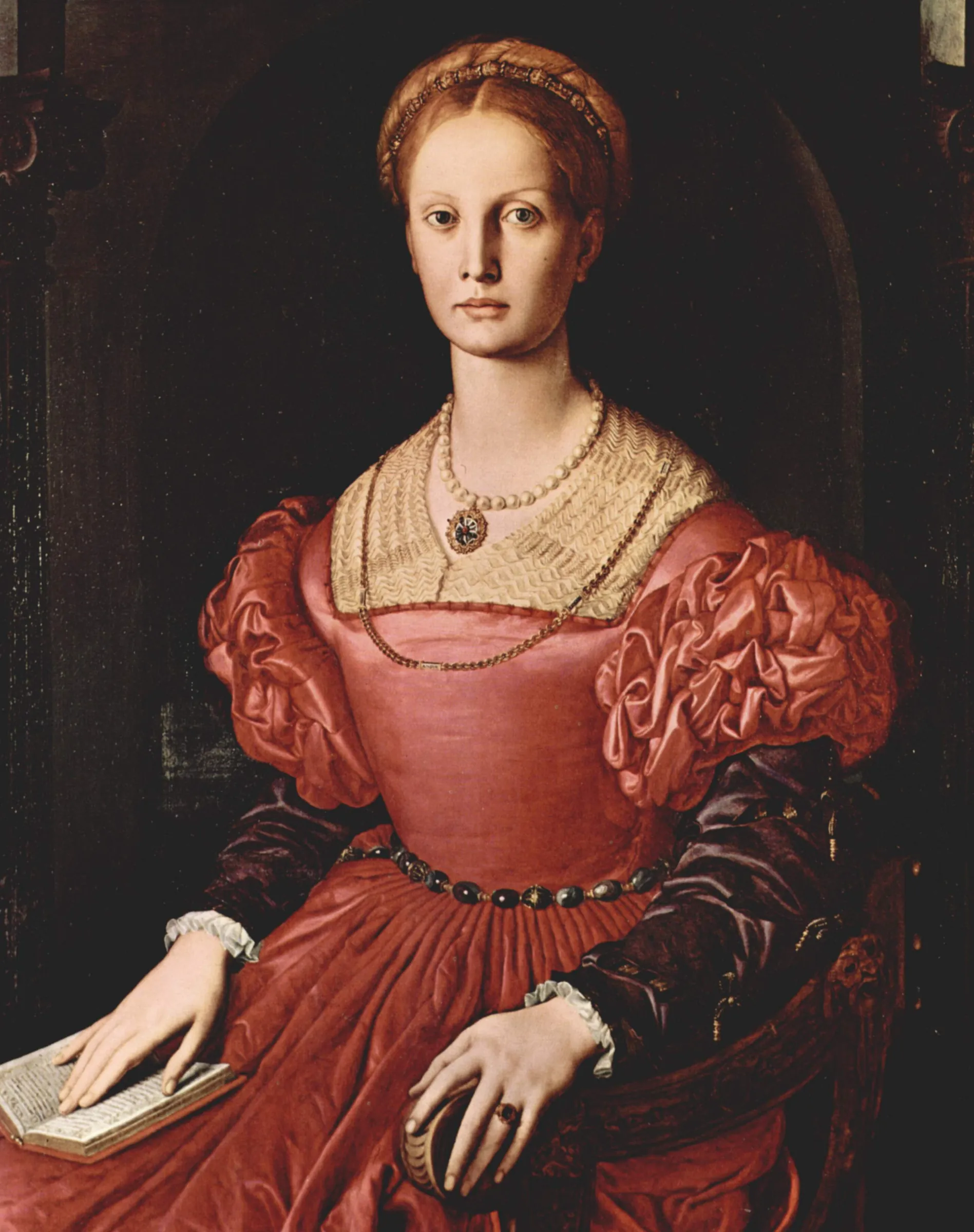
A photo attractiveness test measures what can be measured in a still image of a face: proportions, symmetry, how close the features are to the average for the group, and how typical they are of one's sex. Those are the traits research links to attractiveness. What it doesn't measure is everything that doesn't fit in a photo: expression in motion, voice, manner, style, and context.
So a test score is a snapshot of a few measurements in one photo. It tells you something, but much less than it seems to.
What research links to attractiveness
People agree quite a lot about who is attractive. A review of 11 meta-analyses found that agreement within a culture and across cultures (Langlois and colleagues, 2000). Reviews of the field point to three traits with the firmest results: faces closer to the population average, more symmetrical, and with traits typical of one's sex tend to be seen as more attractive (Rhodes, 2006).
That's what a photo test can measure. Each trait is explained in what makes a face attractive.
What a photo doesn't show
- Expression. A smile, the look in someone's eyes, and how the face moves change the impression, and a still photo catches a single instant.
- What varies from person to person. Agreement isn't unanimity. Preferences vary with age, visual experience, hormones, and what each person learns socially (Little and colleagues, 2011).
- Who you are. People form impressions from faces, but impressions don't read character. A study of more than a thousand executives found very little evidence that a facial measure often used to "read" behavior predicts how someone acts (Wang and colleagues, 2019).
- Style. Haircut, beard, brows, glasses, and color change how a face reads, and the test measures the face as it arrived in the photo.
Why your score changes from photo to photo
The same person can get different scores in different photos, and the cause is almost always the photo:
- Distance. A close camera enlarges the center of the face; a study calculated how close-up photos enlarge the nose (Ward and colleagues, 2018).
- Angle. Tilting the head up or down changes the facial thirds and the jawline.
- Light. Overhead light casts shadow under the eyes; side light exaggerates differences between the two sides of the face.
- Expression. Smiling changes the cheeks, the eyes, and the width of the mouth.
More in why you look different in photos. A score only makes sense compared with another taken the same way.
How to take the photo
Have someone else take it, from a bit farther away, with the camera at eye level. Face forward with your head level, a relaxed face, no glasses, hair pulled back, and light coming from the front, like a window.
How to read the score
A score with no explanation can hurt without helping. Before taking a number seriously, it's worth knowing where it comes from: what was measured, compared with which group, and in a photo taken how. A score that doesn't tell you that won't help you decide anything.
What a test can offer is what sits behind the score: which measurements are close to your group's average, where the two sides differ, and what a haircut, beard, or frame changes in how your face reads. The difference between a score and an analysis is covered in facial analysis from a photo.
If the score or comparing yourself with others turns into distress, it's worth talking to a mental health professional.
How Garbo handles the score
The Complete Transformation gives the overall score together with 5 facial assessments that follow the themes of the research: dimorphism, prototypicality, proportions, symmetry, and face shape. Each assessment comes explained in text, several compared with your group, so you know what the measurement describes. Garbo asks for 7 photos and checks each one before accepting it.
Frequently asked questions
Do photo attractiveness tests work?
They measure some traits research links to attractiveness, like proportions, symmetry, and closeness to the average. They don't measure expression, voice, manner, or style.
What does an attractiveness test measure?
Proportions, symmetry, how close the features are to the group average, and how typical they are of one's sex, in a still photo.
Why does my score change from photo to photo?
Because camera distance, angle, light, and expression change the face in the photo.
Does an attractiveness score tell me if I'm good-looking?
Not fully. It sums up a few measurements from one photo, and preferences vary from person to person.
How should I take the photo for the test?
From a bit farther away, with the camera at eye level, facing forward, head level, a relaxed face, and light from the front.
Want to see the measurements behind the score? Take the free analysis: you answer a few questions, take a photo from the front, and see the real measurements of your face.
Sources
- Langlois JH, Kalakanis L, Rubenstein AJ, Larson A, Hallam M, Smoot M (2000). Maxims or myths of beauty? A meta-analytic and theoretical review. Psychological Bulletin.
- Rhodes G (2006). The evolutionary psychology of facial beauty. Annual Review of Psychology.
- Little AC, Jones BC, DeBruine LM (2011). Facial attractiveness: evolutionary based research. Philosophical Transactions of the Royal Society B.
- Ward B, Ward M, Fried O, Paskhover B (2018). Nasal Distortion in Short-Distance Photographs: The Selfie Effect. JAMA Facial Plastic Surgery.
- Wang D, Nair K, Kouchaki M, Zajac EJ, Zhao X (2019). A Case of Evolutionary Mismatch? Why Facial Width-to-Height Ratio May Not Predict Behavioral Tendencies. Psychological Science.

Now see what suits your face
Take the quiz and send a front-facing photo: the free analysis measures your face, shows its shape, and suggests haircuts and colors.
Start the free analysis