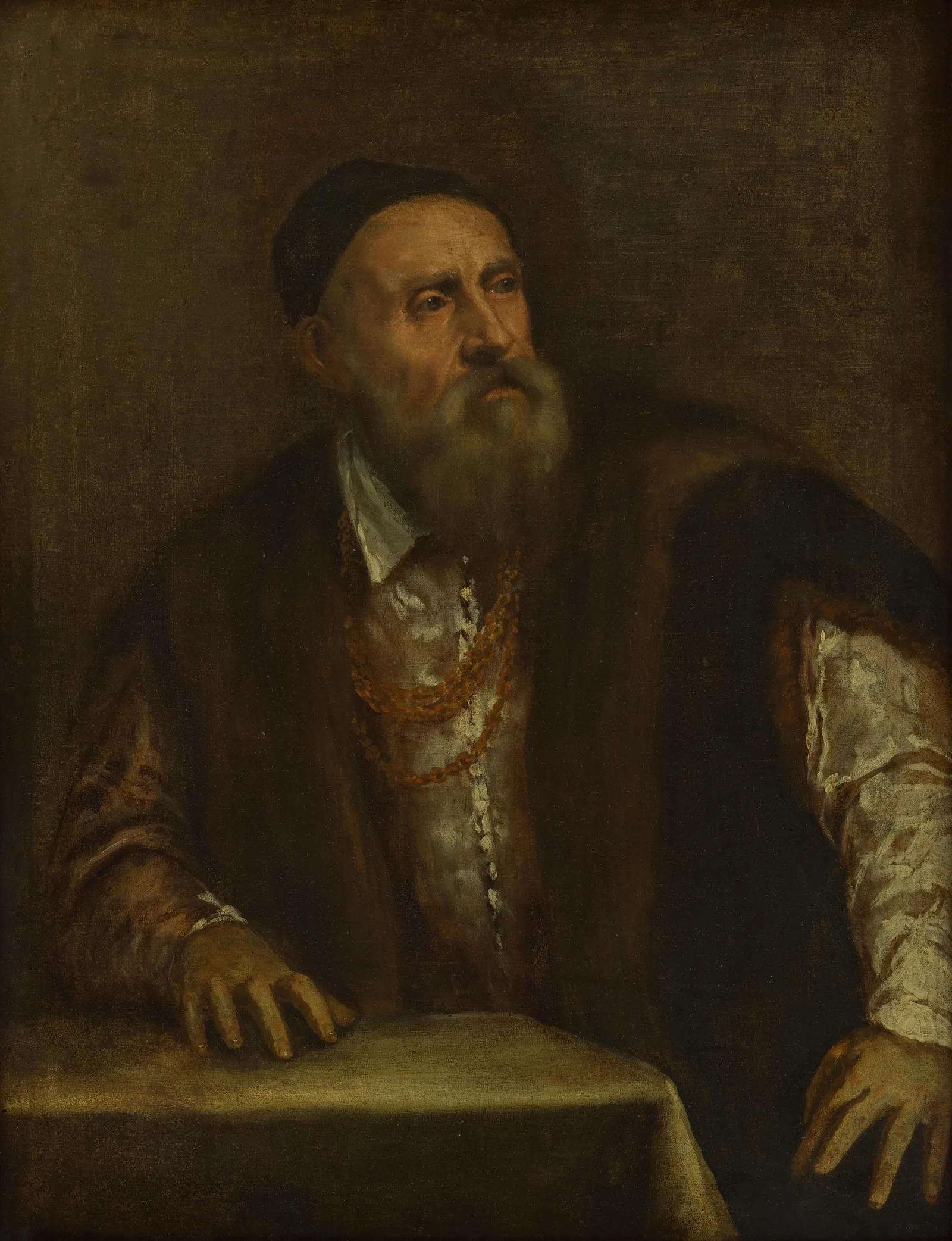
The beard that suits your face is the one that adds what the shape is missing: length at the chin for a round face, width at the sides for a long face, a rounded outline for a square face, and weight at the bottom for a face with a narrow chin. On an oval face, the beard only needs to follow the outline, without changing the proportion.
It's the same logic as haircuts, applied to the lower part of the face. Below is what changes the effect of a beard, followed by beard styles for face shape, one for each of the seven shapes.
What changes the effect of a beard
Five characteristics decide what a beard does to the face:
- The chin. A beard with volume or a point at the center of the chin lengthens. A beard that's wide at the chin widens the lower part.
- The sides. Full cheeks widen the face; shaved or very short cheeks slim it.
- The mustache. A prominent mustache creates a horizontal line, which makes the face read shorter.
- The outline. Straight defines angles; rounded softens; pointed lengthens and slims.
- The length. A long beard adds weight at the bottom and lengthens.
These rules come from the guides of barbers and shaving brands, which agree on the principle of adding what's missing (Braun; Just For Men; The Art of Manliness, with barber Thad Forrester). They aren't the result of scientific research: they're what professionals practice.
Oval face
The proportions are already balanced, so almost every style works, from short beards to long ones. Braun says the oval face suits almost every style, and barber Thad Forrester, in The Art of Manliness, includes short, long, and full beards. Stubble, the 3-day beard, the short boxed beard, the trimmed full beard, the Garibaldi, and the styles with a point at the chin, like the Van Dyke and the Ducktail, all work.
The thing to watch is too much volume: Just For Men warns against beards that are too long or too bulky, which add weight at the bottom and take away the balance the face already has.
Round face
The beard lengthens and adds angles. What works is volume or length concentrated at the chin, with shaved or very short cheeks and defined lines: goatee, Van Dyke, Anchor, Balbo, Ducktail, and the circle beard.
What to avoid: full sides and a wide, rounded outline at the bottom, which widen. The trimmed full beard, the boxed beard, and the lumberjack beard tend to make a round face rounder.
Square face
The beard softens a defined jaw. What works are rounded or pointed outlines, with volume at the center of the chin and short sides: Van Dyke, Anchor, Ducktail, the circle beard, stubble, and the 3-day beard.
What to avoid: straight, geometric outlines, which repeat the angle of the jaw, and full sides, which make the face wider. Some people want to highlight a defined jaw; in that case, a short, even beard shows the line without hiding it.
Oblong, or long, face
The beard widens and doesn't lengthen. What works are full sides with short to medium length, like the trimmed full beard and the short boxed beard, and a prominent mustache, like the mustache only, the pencil mustache, and a subtle handlebar, which create a horizontal line.
What to avoid: a pointed chin, a long beard, and volume only at the chin with shaved cheeks. The goatee, the Van Dyke, and the Ducktail lengthen a long face.
Triangular face
Here, triangular means a face with a jaw wider than the forehead. The beard shouldn't add weight at the bottom. What works are close beards, the mustache, and short beards that just follow the outline: 3-day beard, stubble, sculpted beard, beardstache, mustache only.
What to avoid: volume or width at the chin and jaw, full sides, and long beards.
Diamond face
The cheekbones are the widest part, and the forehead and chin are narrow. The beard adds width to the chin. What works is volume at the chin, wide or centered, with a rounded or straight outline: trimmed full beard, short boxed beard, Balbo, goatee, Garibaldi, faded beard.
What to avoid: a pointed chin, which slims it even more, and a mustache with nothing on the chin.
Heart-shaped face
The forehead is wide and the chin is narrow, in a V. The beard adds weight and width to the lower part. What works are beards that widen the chin and the jaw: trimmed full beard, short boxed beard, Garibaldi, trimmed lumberjack beard, faded beard.
What to avoid: a pointed chin, which sharpens the V even more, and a mustache with nothing on the chin.
Summary
| Shape | What the beard does | Examples that flatter | Avoid |
|---|---|---|---|
| Oval | follows | stubble, trimmed full beard, Garibaldi | too much volume |
| Round | lengthens | goatee, Van Dyke, Anchor, Balbo | full sides |
| Square | softens | Van Dyke, Anchor, Ducktail | straight outline, full sides |
| Oblong | widens | trimmed full beard, short boxed, mustache | point, long beard |
| Triangular | no weight at the bottom | 3-day beard, stubble, mustache | volume at the chin, full sides |
| Diamond | widens the chin | trimmed full beard, Balbo, goatee | point, mustache only |
| Heart-shaped | adds weight at the bottom | trimmed full beard, Garibaldi, short boxed | point, mustache only |
Patchy or thin beard
Not every beard grows in full, and that changes the options before face shape does. For a beard that's evenly thin, the best choices are short ones, like the 3-day beard and stubble. When the gaps are on the cheeks, chin-only beards, like the goatee and the Van Dyke, make the most of where the beard grows. Long beards tend to get thin and messy at the ends (The Art of Manliness).
Gaps that appear suddenly, in round patches, or that come with hair loss deserve a visit to a dermatologist, because they may have causes that need an evaluation.
Haircut and beard together
The beard and the haircut change the same outline, so it's worth choosing them together. On a round face, for example, a quiff with faded sides and a goatee lengthen at the same time. On a long face, a fringe and a beard full at the sides widen together. The haircuts are in the guides on men's haircuts for round faces, oval faces, and square and oblong faces.
How Garbo chooses the beard
Garbo measures the face from a photo and tells you the shape. In the men's version, the analysis shows the beards that flatter your face and the ones you're better off avoiding, in images, next to the haircuts. The catalog has 23 styles, and the short coily beard only appears for people with coily hair. To find out your shape first, see how to find your face shape.
Frequently asked questions
Which beard suits my face shape?
The one that adds what's missing: length at the chin for a round face, full sides for an oblong face, a rounded outline for a square face, and volume at the chin for diamond and heart-shaped faces. On an oval face, almost all of them work, from short to long, without too much volume.
What beard is best for a round face?
Beards with volume at the chin and short cheeks, like the goatee, Van Dyke, Anchor, and Balbo. Avoid full sides.
What beard is best for a long, thin face?
Beards with full sides and short to medium length, like the trimmed full beard and the short boxed beard, or a prominent mustache. Avoid a pointed chin and a long beard.
What beard works if my beard is patchy?
A 3-day beard or stubble, if the beard is evenly thin. If the gaps are on the cheeks, a goatee or a Van Dyke. Long beards get thin at the ends.
Who does a goatee suit?
A chin-only goatee mainly suits a round face, which it lengthens, and a diamond face, which gains volume at the chin. On a long face, it usually works against you.
Want to see which beards suit your face? Take the free analysis: you answer a few questions, take a front photo, and see the measurements of your face.
Sources
- Braun (2024). Pick the best beard styles for your face shape. Braun (guia de barbear).
- Just For Men (s.d.). The best beard styles for every face shape. Blog da Just For Men.
- McKay B, Forrester T (barbeiro) (2022). Your no-nonsense guide to choosing the right beard style. The Art of Manliness.

Now see what suits your face
Take the quiz and send a front-facing photo: the free analysis measures your face, shows its shape, and suggests haircuts and colors.
Start the free analysis