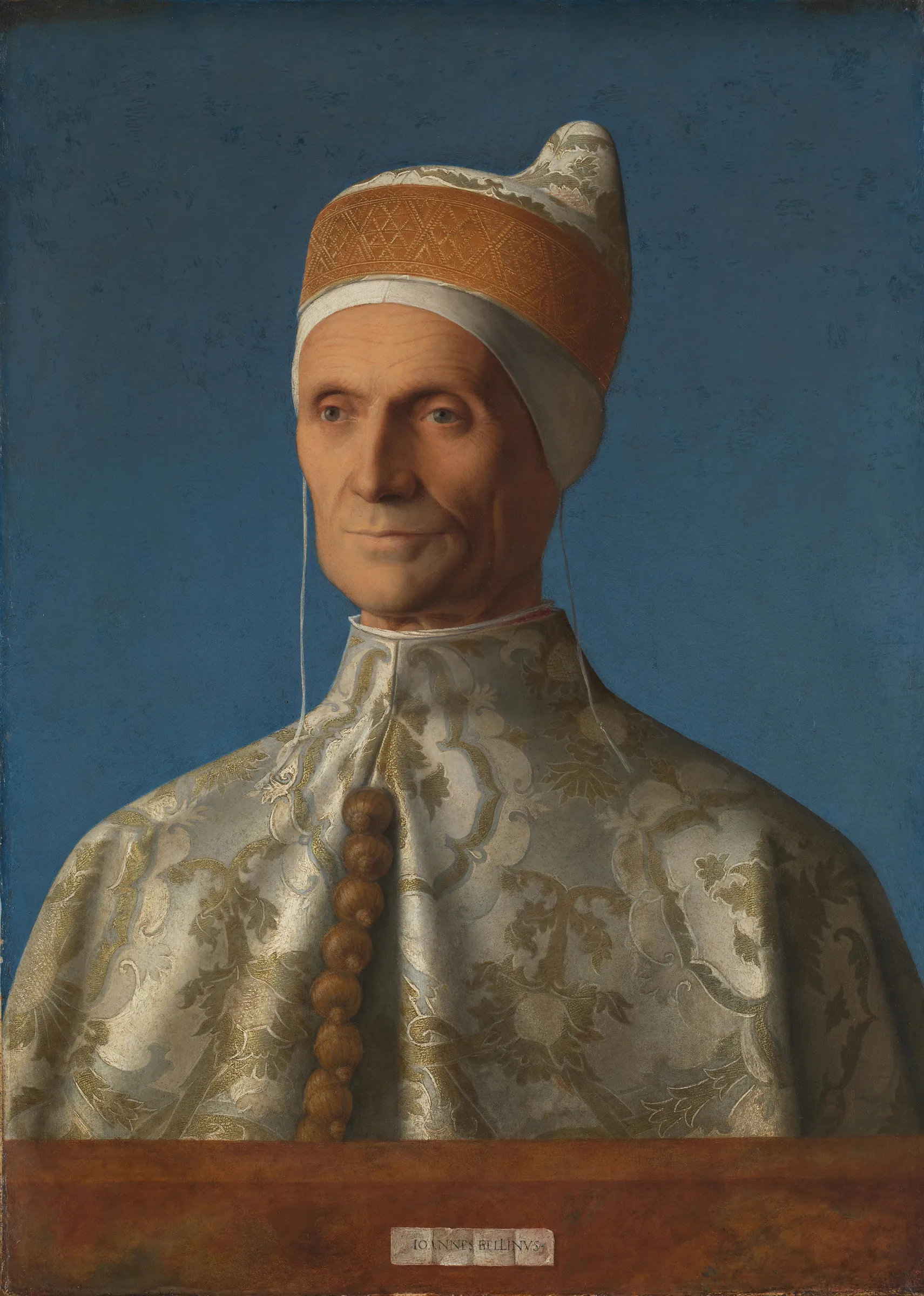
The nose types people mention most are straight, Roman, concave, upturned, droopy tip, narrow, wide, and bulbous. Each name describes one part of the nose: the bridge, which is the midline seen in profile; the tip; or the base, where the nostrils are. So one nose can carry two names at once, like straight and wide, or Roman with a narrow tip.
These are everyday names, not a scientific classification. None of them is better than another.
Profile names: the bridge and the tip
- Straight: the bridge runs in an almost straight line from the root to the tip. Sometimes called a Greek nose.
- Roman: the bridge has a curve or a bump in the middle, also called a dorsal hump. Sometimes called aquiline or hooked.
- Concave: the bridge dips slightly inward, and the tip sits higher than the rest.
- Upturned: the tip points up, and the nostrils show more from the front. Also called a button or ski-slope nose.
- Droopy tip: the tip points slightly down, towards the lip.
Which way the tip points is measured by the nasolabial angle, formed where the base of the nose meets the upper lip. In a study of 100 white adults in Curitiba, Brazil, the average was 107.8° in men and 104.0° in women (Ballin and colleagues, 2018). The larger the angle, the more the tip points up.
Front names: width and tip
- Narrow: the bridge and the base are narrow relative to the face.
- Wide: the base, with the sides of the nostrils, is wider. Sometimes called flat when the bridge is low.
- Bulbous: the tip is rounded and fuller than the rest of the nose.
- Refined tip: the tip is narrow and well defined.
What changes with ancestry
Nose shape is one of the traits that varies most between populations. In an international study of 1,470 adults, nose measurements were among those that changed most from group to group (Farkas and colleagues, 2005). Research on people of African, East Asian, European, and South Asian ancestry found that nostril width and the width of the nasal base vary between these populations, and that part of the difference tracks the climate where their ancestors lived (Zaidi and colleagues, 2017).
In mixed-ancestry faces, one nose can have a bridge from one heritage and a tip from another. The everyday name rarely captures that.
How to tell yours
- Take a profile photo with your head level and the camera far enough away not to distort your face.
- Look at the bridge: straight, curving out, or dipping in.
- Look at the tip: up, level, or down; narrow or rounded.
- Take a straight-on photo and look at the base: narrow or wide compared with the space between your eyes.
Put the answers together: your type is the sum of them. To see whether your nose is large or small for your face, read is my nose big?.
The nose and the rest of the face
The nose is read together with the lips, chin, and forehead. A receding chin makes the nose look more projected; see receding chin. Glasses change the picture too: the bridge of the frame rests on the nose and breaks its line. Front and profile measurements are in nose shapes.
Anyone considering a procedure on the nose should talk to a professional before deciding anything.
How Garbo describes the nose
In the Complete Transformation, the nose is one of the 12 features. Garbo measures the width of the base compared with the space between the eyes, the width of the bridge, and the ratio of height to width, and compares them with the typical range for your group. It also describes the shape (root, bridge, tip, and base) and how common that shape is, with no ethnic label and no judgment.
Frequently asked questions
What are the different nose types?
The most common names are straight, Roman, concave, upturned, droopy tip, narrow, wide, and bulbous.
How do I know what nose type I have?
Look at the bridge and tip in a profile photo and the base in a straight-on photo. Your type is the sum of those answers.
What is a Roman nose?
A nose with a curve or bump in the middle of the bridge, seen in profile. Also called aquiline or hooked.
What is a bulbous nose?
A nose with a rounded tip that's fuller than the rest.
What is the most common nose type?
There's no reliable count. Nose shape varies a lot between populations, and mixed ancestry blurs the types even more.
Want to see your nose measurements? Take the free analysis: you answer a few questions, take a photo from the front, and see the real measurements of your face.
Sources
- Ballin AC, et al. (2018). Anthropometric study of the caucasian nose in the city of Curitiba: relevance of population evaluation. Brazilian Journal of Otorhinolaryngology.
- Zaidi AA, Mattern BC, Claes P, McEvoy B, Hughes C, Shriver MD (2017). Investigating the case of human nose shape and climate adaptation. PLoS Genetics.
- Farkas LG e colegas (2005). International anthropometric study of facial morphology in various ethnic groups/races. Journal of Craniofacial Surgery.

Now see what suits your face
Take the quiz and send a front-facing photo: the free analysis measures your face, shows its shape, and suggests haircuts and colours.
Start the free analysis