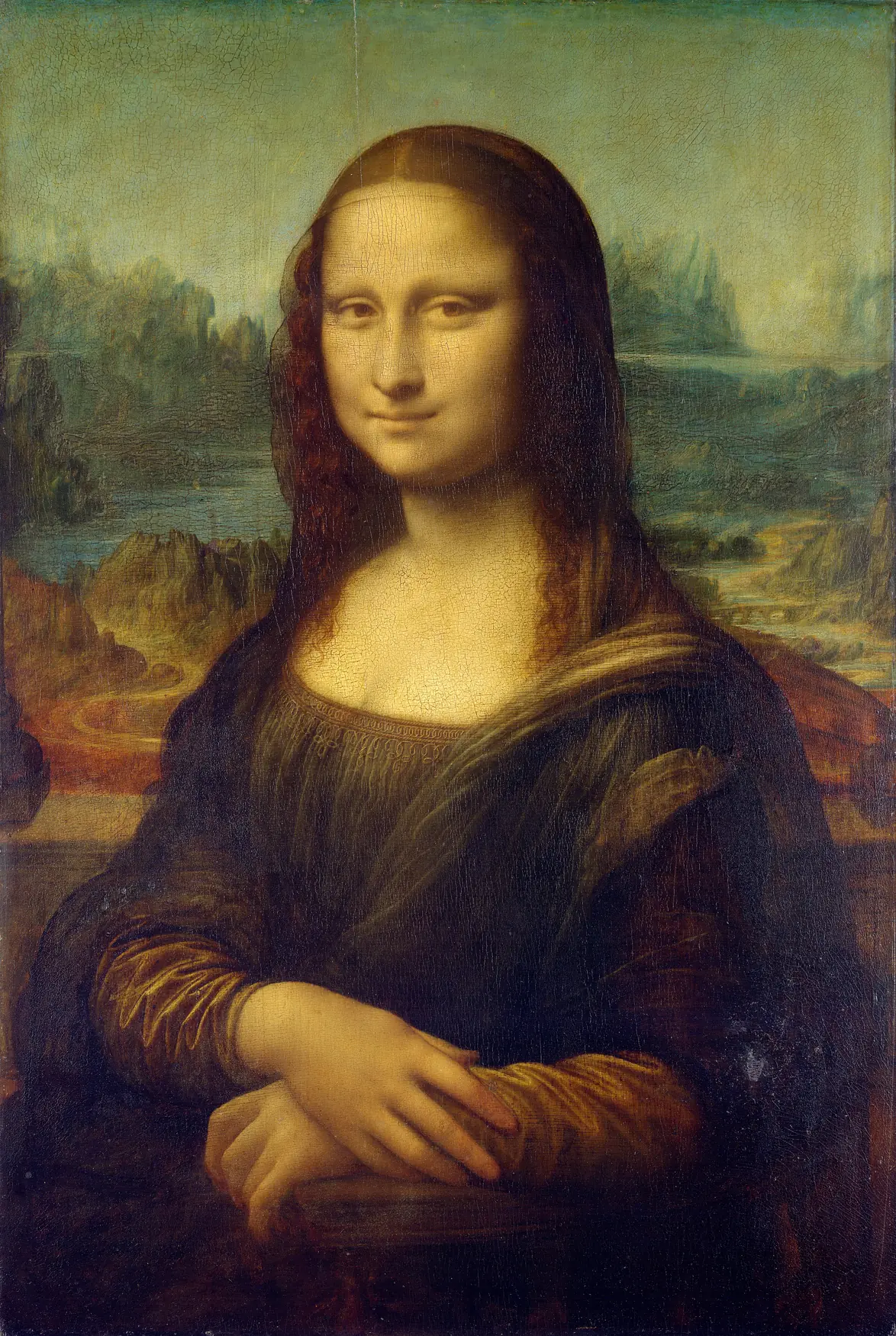
Lip shapes are described by a few simple measurements: the width of the mouth, the height of each lip, the ratio between the upper and lower lip, the shape of the Cupid's bow, and the height of the philtrum, the space between the nose and the mouth. The smile adds others: how much of the teeth shows, the curve they form, and how much of the gums is visible.
None of these measurements has a right value for everyone. They describe the mouth, and studies show a large variation between people. Below is what each measurement means, what research has measured, and what a photo can show.
The parts of the mouth, with the right names
- Cupid's bow: the M-shaped curve at the centre of the upper lip, with two peaks and a small dip in the middle.
- Philtrum: the vertical groove between the base of the nose and the upper lip. Its height is the distance from the nose to the mouth.
- Corners of the mouth: where the lips meet on each side.
- Lip line: the border that separates the lip from the skin. It can be well defined or soft.
- Volume: how much the lips show from the front, from thin to full.
Types of lip shapes
The classifications used in style and makeup combine two things: volume and the ratio between the lips.
By volume
- Thin: both lips show little from the front.
- Medium: intermediate volume.
- Full: both lips show a lot.
By ratio
- Larger lower lip: the lower lip shows more than the upper one.
- Similar lips: both with a similar height.
- Larger upper lip: the upper lip shows more than the lower one.
Beyond that, there are descriptions of the Cupid's bow (defined or soft), of the width of the mouth relative to the nose, and of the position of the corners (turned up, straight, or turned down). They're names for describing, not better or worse categories.
What studies measured in the lips
The ratio between the lips appears in perception studies. In one of them, a team from the University of California, Irvine, digitally altered photos of 20 white women aged 18 to 25, changing the size and ratio of the lips, and asked hundreds of participants to rank the versions. The 1 to 2 ratio (lower lip twice the size of the upper one) got the best positions, and the 2 to 1 ratio, the worst (Popenko and colleagues, 2017).
This result has clear limits. The images were montages, the faces were all of a single background and a narrow age range, and the study measured the preference of a group of people, not a health rule. It shows a tendency in taste in that context, not a goal for anyone.
What studies measured in the smile
The most frequent smile. In a survey of 454 full-face photos of dental students, the average smile showed almost the full length of the upper front teeth, the six front teeth, and the premolars, and the curve of the edges of the upper teeth followed the inner curve of the lower lip (Tjan, Miller, and The, 1984).
What people notice. In a study with photos of smiles altered on purpose, orthodontists, dentists, and people with no dental training rated small differences. Laypeople didn't notice even a 4 mm shift in the midline of the upper teeth. They only noticed the distance between the gums and the lip at 4 mm, while orthodontists noticed it at 2 mm (Kokich, Kiyak, and Shapiro, 1999). In other words, many differences a specialist sees go unnoticed by people looking in everyday life.
Gummy smile
When a person smiles, a strip of gum may show above the upper teeth. It may not show, show a little, or show a lot, and this varies with the height of the lip, the size of the teeth, and the way you smile. It's a description, not a diagnosis. If the visible gums, the alignment, or the colour of your teeth bother you, the person who can assess it is a dentist.
What a photo shows of the mouth
A front photo, with the mouth relaxed, shows the width of the mouth, the height of each lip, the Cupid's bow, the philtrum, and the lip line. A smiling photo shows how much of the teeth and gums shows, the curve of the teeth, and the width of the smile.
A photo has limits. Expression changes everything: a reserved smile and an open smile show different mouths. Light and angle also change the apparent volume of the lips.
How Garbo describes the lips and the smile
In the Complete Transformation (US$ 97), the lips and the smile are among the 12 features assessed, based on the 7 photos, including a smiling front photo.
- Lips: the width of the mouth, the height of the philtrum, the angle of the Cupid's bow, the shape, the lip line, the volume, and whether the teeth show with the mouth relaxed.
- Smile: the curve of the upper and lower teeth, the width of the smile, the smile line, dimples, the alignment, and the colour of the teeth.
Garbo describes what the photo shows. It doesn't make a diagnosis, and questions about teeth and gums are for a dentist. The article on facial analysis from a photo explains how the measurements are read.
Frequently asked questions
What are the different lip shapes?
By volume, thin, medium, and full. By ratio, a larger lower lip, similar lips, or a larger upper lip.
What is a Cupid's bow?
It's the M-shaped curve at the centre of the upper lip, with two peaks and a small dip in the middle.
What is the ratio between the upper and lower lip?
It varies from person to person. In a study with altered faces of young white women, the 1 to 2 ratio was rated best, but that's the preference of one group, not a rule.
What is a gummy smile?
It's when a strip of gum shows above the upper teeth when you smile. It's a description; if it bothers you, a dentist can assess it.
What does a photo show about your smile?
How much of the teeth and gums shows, the curve of the teeth, and the width of the smile. Expression and light change the result.
Want to see the measurements of your face before deciding? Take the free analysis: you answer a few questions, take a front photo, and see the measurements of your face.
Sources
- Tjan AH, Miller GD, The JG (1984). Some esthetic factors in a smile. The Journal of Prosthetic Dentistry.
- Kokich VO, Kiyak HA, Shapiro PA (1999). Comparing the perception of dentists and lay people to altered dental esthetics. Journal of Esthetic Dentistry.
- Popenko NA, Tripathi PB, Devcic Z e outros (2017). A Quantitative Approach to Determining the Ideal Female Lip Aesthetic and Its Effect on Facial Attractiveness. JAMA Facial Plastic Surgery.

Now see what suits your face
Take the quiz and send a front-facing photo: the free analysis measures your face, shows its shape, and suggests haircuts and colours.
Start the free analysis